
Millions of documents, zero disruption
Move your enterprise content out of legacy systems and into an AI-ready platform. Our teams have migrated hundreds of millions of documents for global enterprises, with a methodology built on rehearsal, reporting, and business continuity.



Migration, measured
files per day at peak, on cloud storage infrastructure
active documents moved in five weekends for one global enterprise
to ROI from IT cost savings alone
Fact & figures: from AODocs migration projects. Full detail in the Migrate to Modernize white paper.
The status quo has a price tag
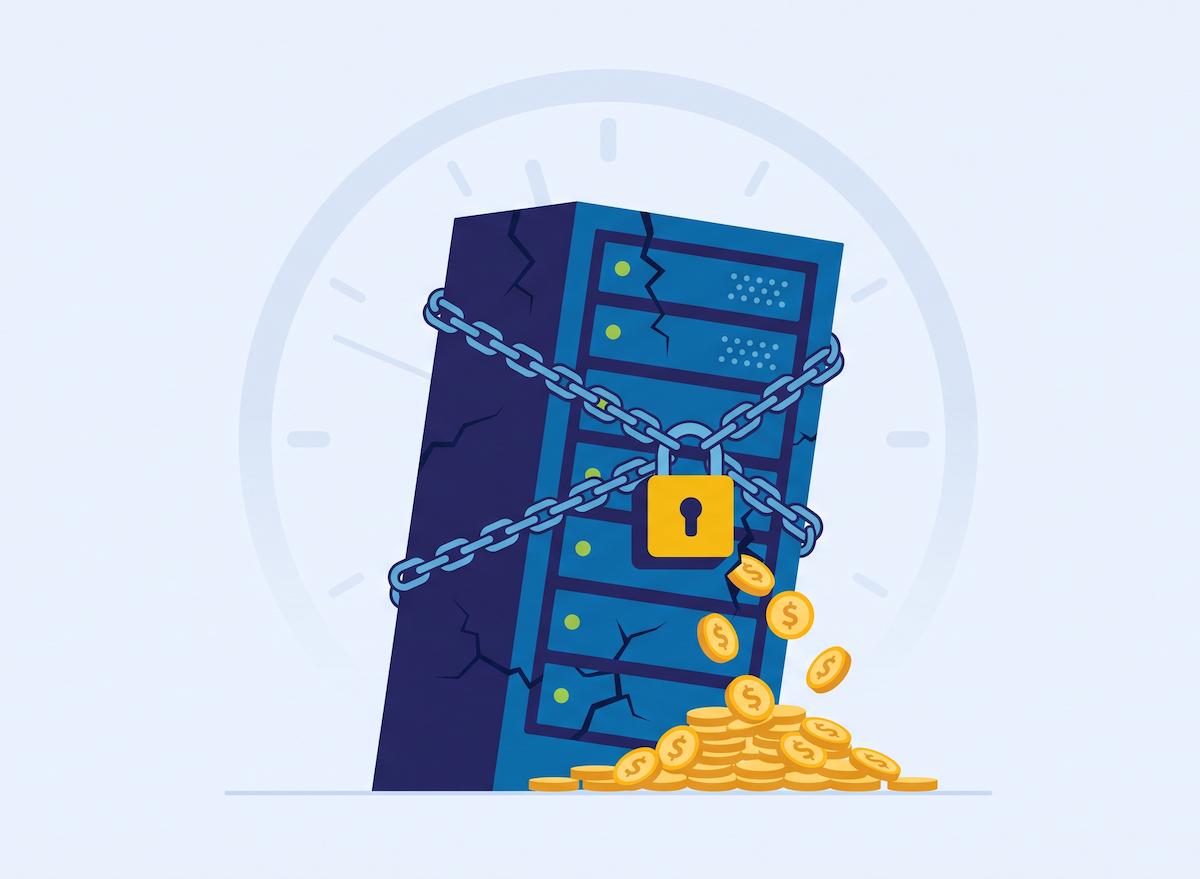
Legacy systems were not built for AI
Deploying AI on documents trapped in an on-premises DMS produces patchwork architectures, not productivity. Two-thirds of organizations were already using generative AI in 2024, double the 2023 rate. The gap compounds while the documents stay locked.
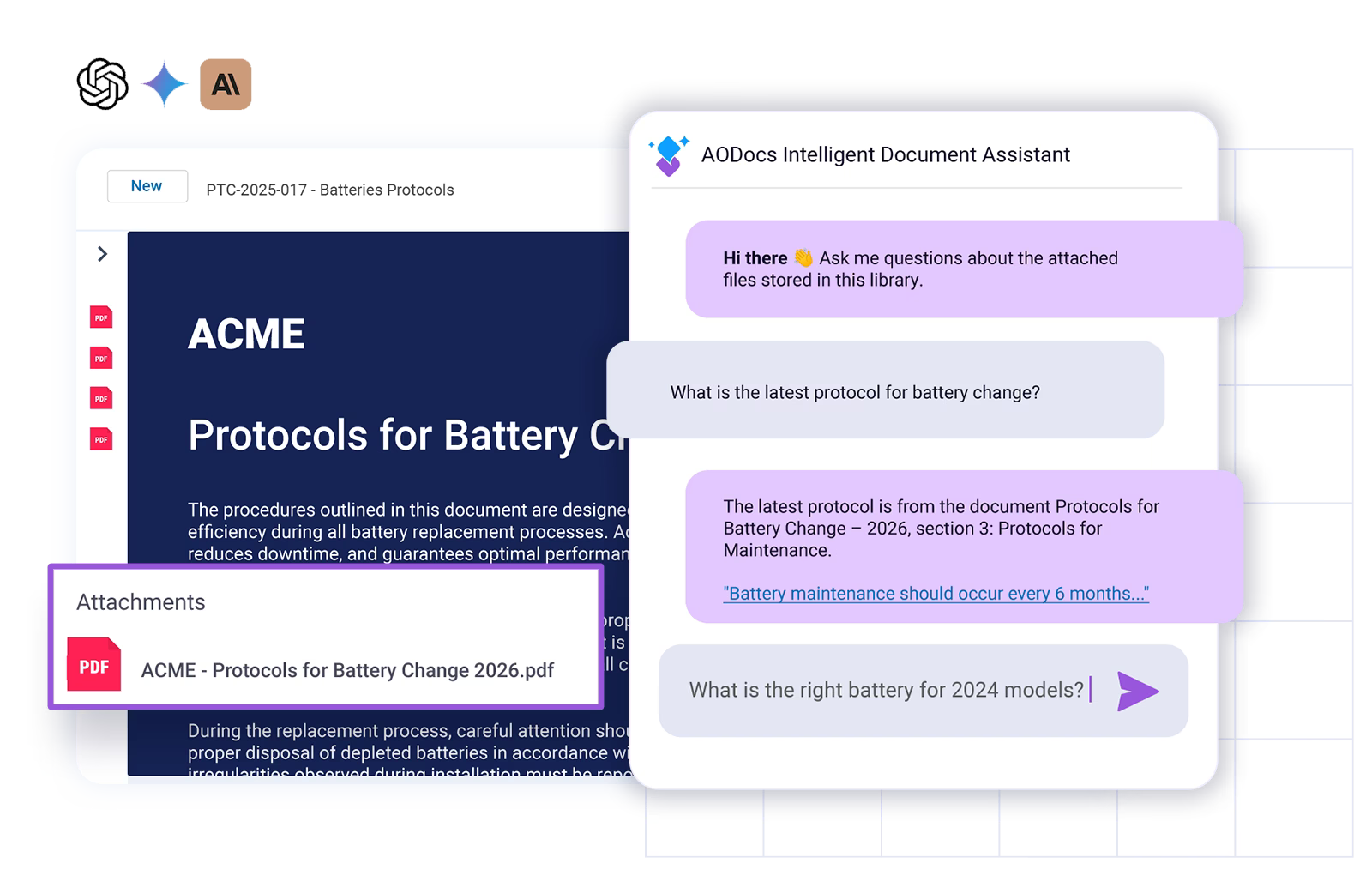
The clock is running on legacy platforms
FileNet's on-premise version reached end of life in April 2024; Documentum, OnBase, and their peers push forced upgrades that trade away customization. Rising license fees, retiring system experts, and security exposure make waiting the expensive option.
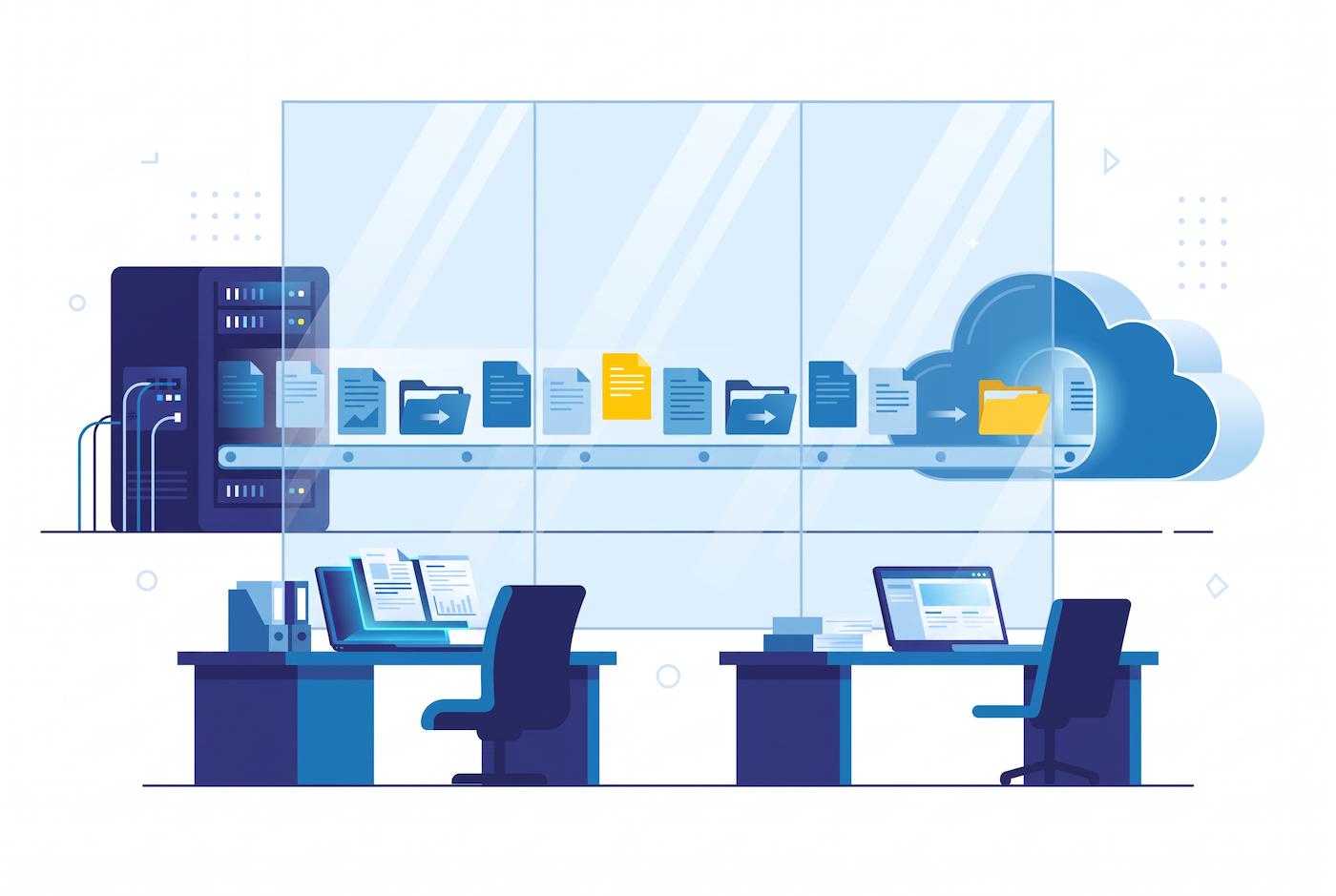
Users keep working while documents move
The platform scales its resources to the migration without touching the people already working on it. Active files move over weekends with the source frozen read-only; archives flow in the background while operations continue.
Your documents, your cloud: deploy anywhere
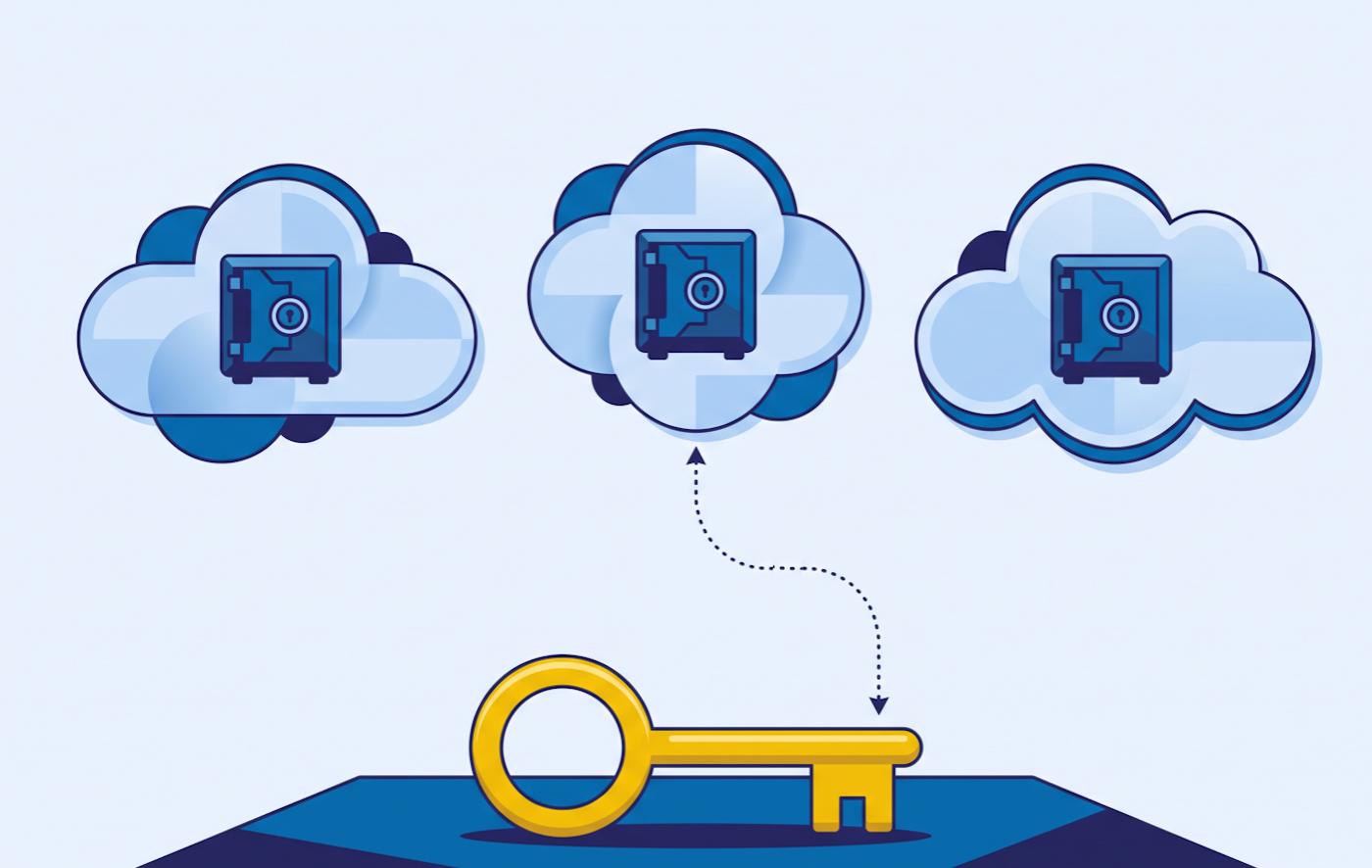
Your documents, your cloud, your keys Keep your preferred storage: Google Cloud, Azure, or Amazon S3. Choose the data center your files live in, and control the encryption keys. AODocs runs the platform and you keep ownership of the data.
Legacy providers might push you to opt for expensive new managed > services or say, 'You must go cloud with us.' With this kind of upgrade, you lose many customization and flexibility options. You end up with fewer features and possibilities. Such forced upgrades actually mean a downgrade.

Valentin Chabidon
Head of EMEA Professional Services
18 months
to ROI, from IT cost savings alone
A methodology built on rehearsal, not hope
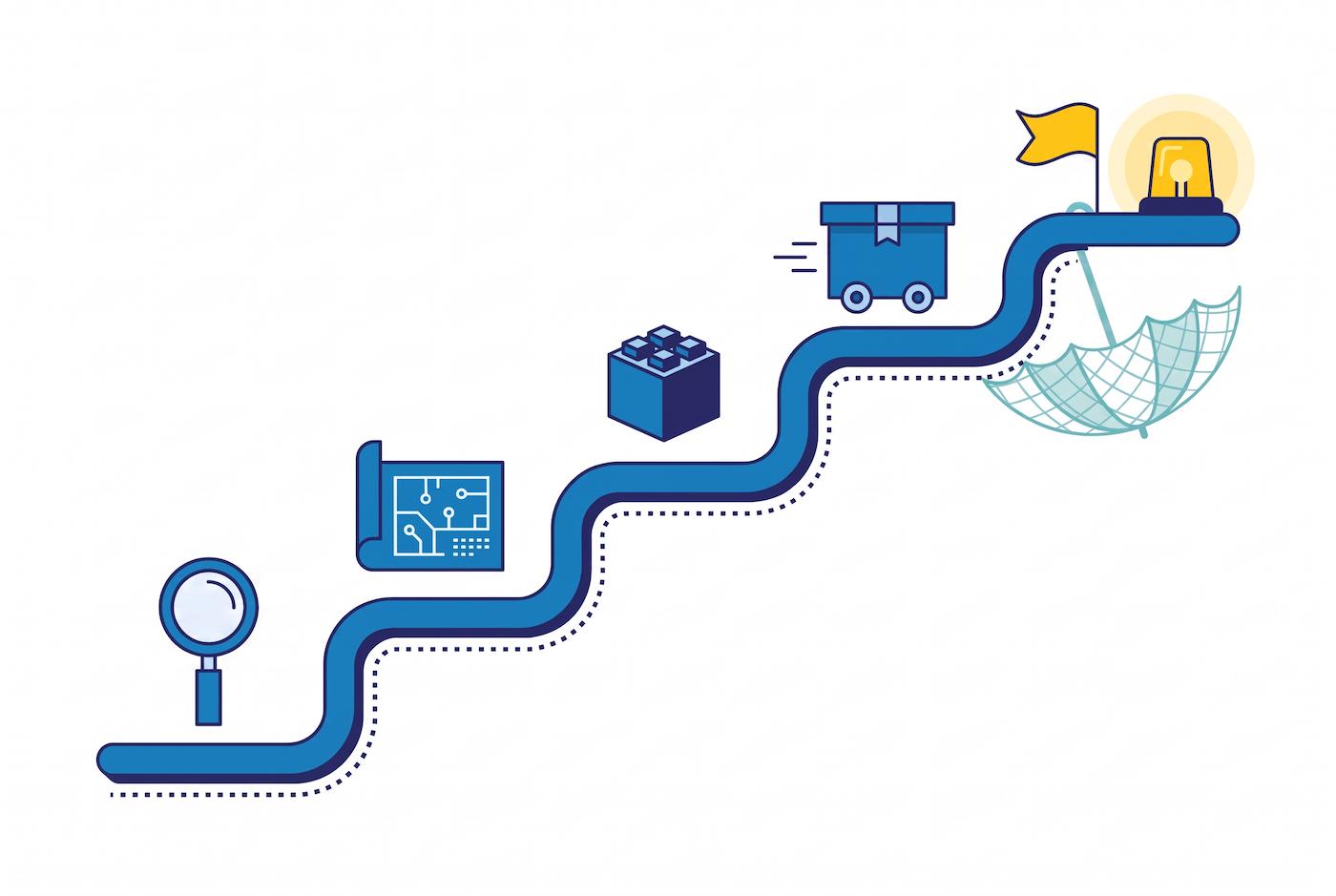
From analysis to hyper care, in five phases
Analysis, design, build, delivery, run: goals and risks mapped before a single file moves, workflows and permissions blueprinted, then a supported transition into daily operations, with service managers on hand through the early weeks.
Tested three ways before launch
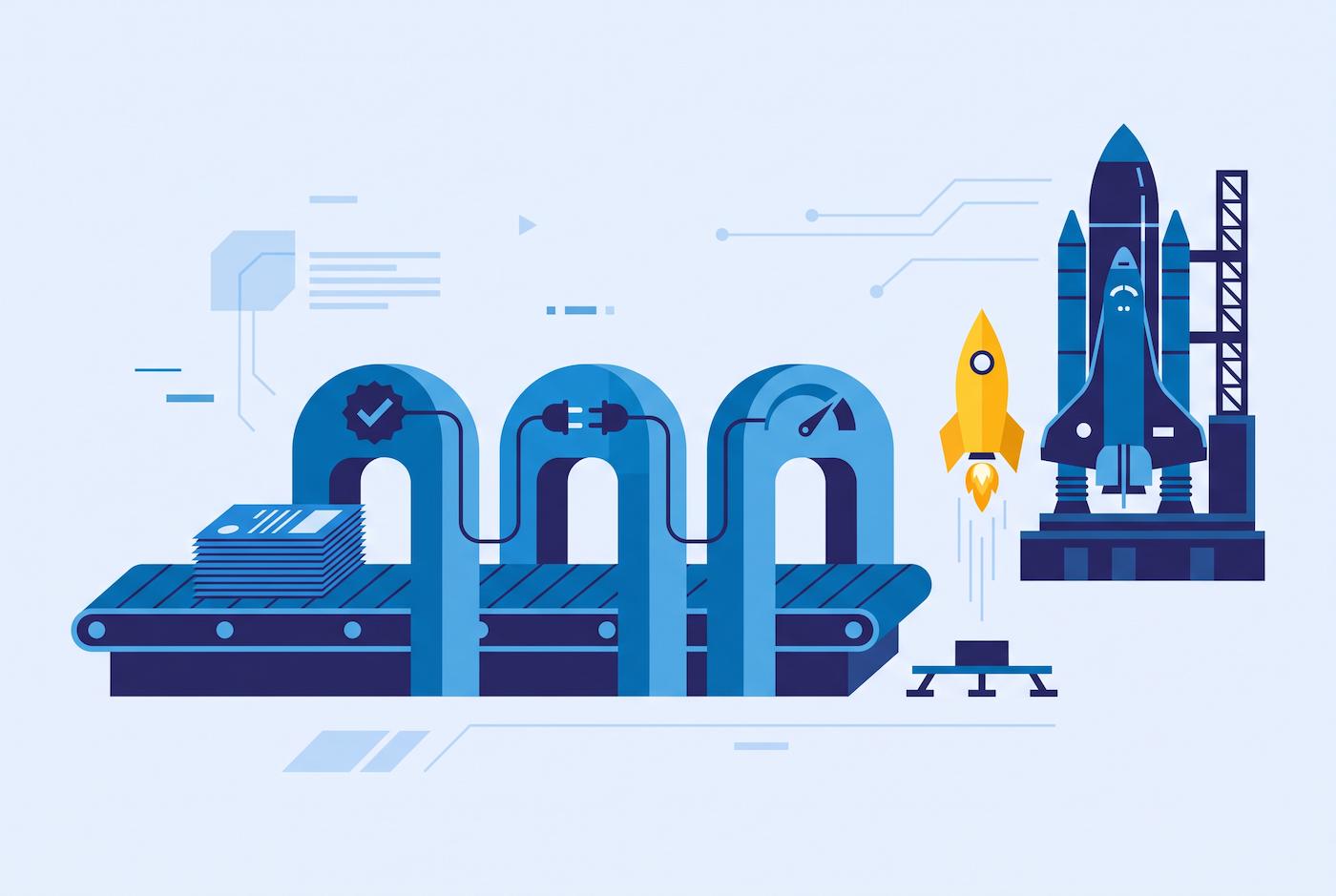
Business validation on real data, end-to-end connectivity checks, and performance testing against your timeline and network. A pilot, sized to what you need to prove, from 5 to 20 percent, refines the process before scale.
Active files fast, archives in the background
Operational documents migrate during off-hours with the legacy system read-only; older archives follow transparently while users work in the new environment. One enterprise moved 16 million active documents over five weekends, then 80 million archives in a month.
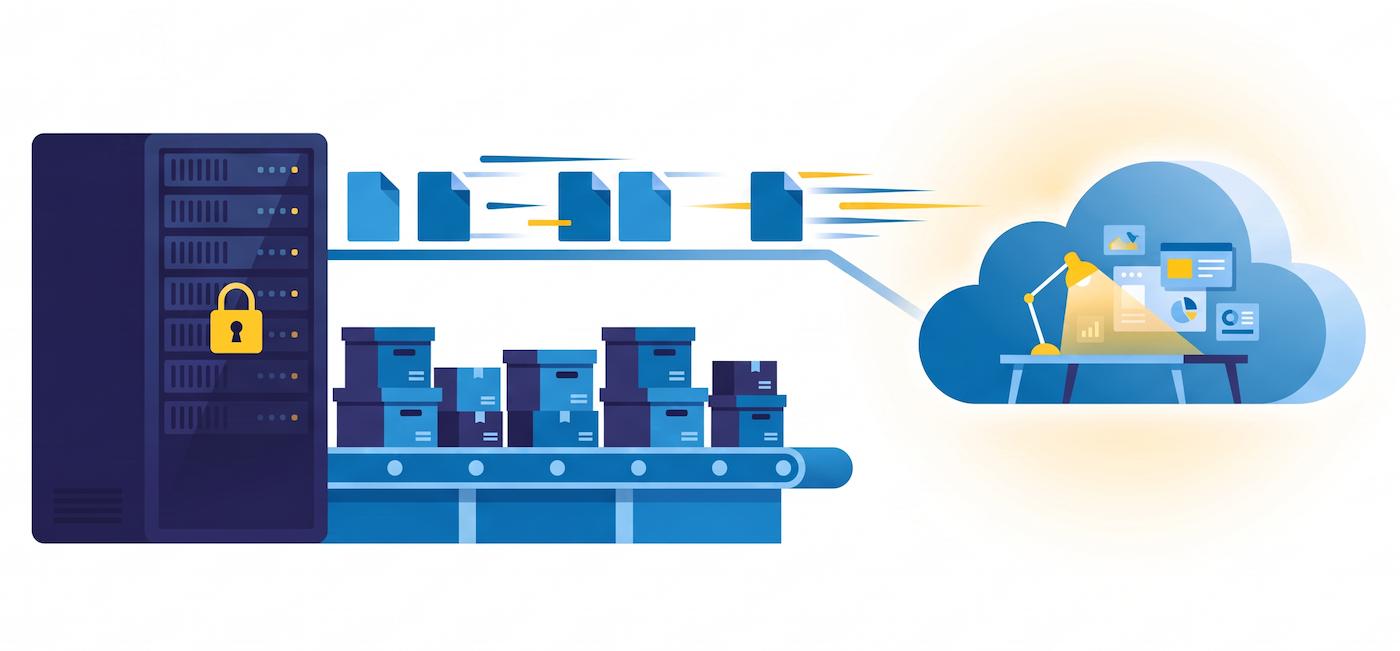
Real-time reporting, end-to-end reconciliation
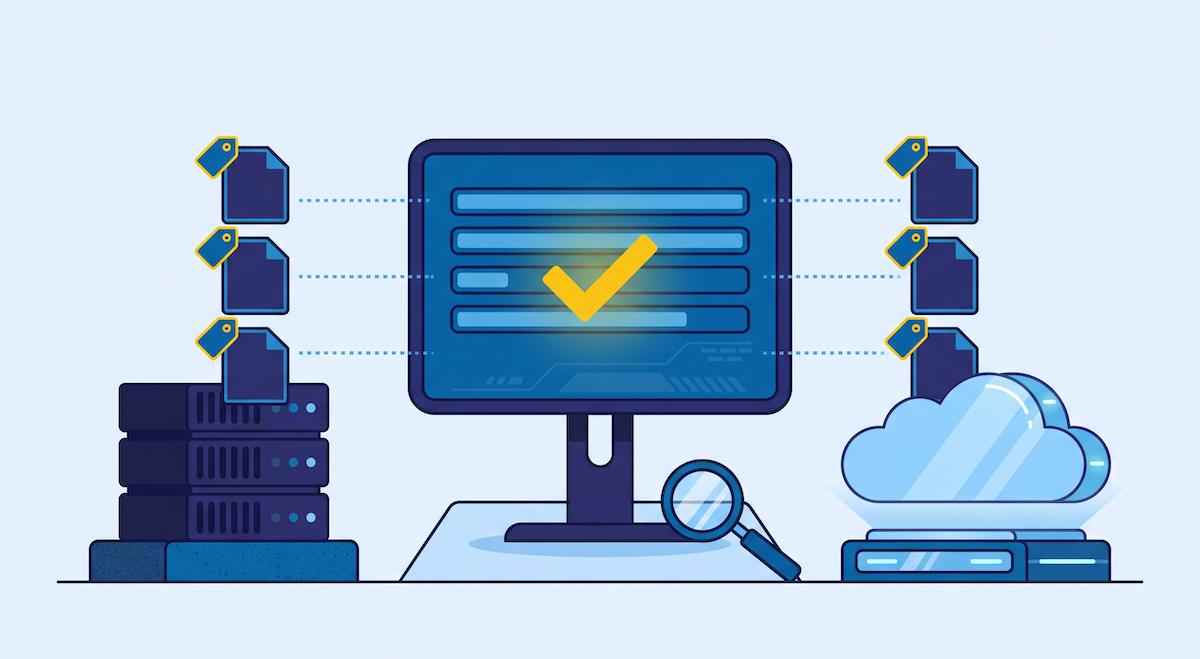
Proprietary migration tools track every file: live progress reporting, reconciliation between source and destination, and the traceability that compliance teams sign off on, including document versions and metadata, not just the files.
Ready to get started?
See what AODocs can do for your company, let's connect.