Migrating fromOpenText?—Get started

Automate the back office. Optimize the margin.

AODocs takes the repetitive manual work out of invoice and delivery-note processing, keeps every supplier contract comparable and ready for renegotiation, and turns compliance from a scramble into a controlled cost.

Trusted by Fortune 500 companies

E. Leclerc
Whirlpool
Colgate-Palmolive
Bonduelle
Decathlon

AODocs for retail: key benefits

Process invoices and delivery notes without keying them in

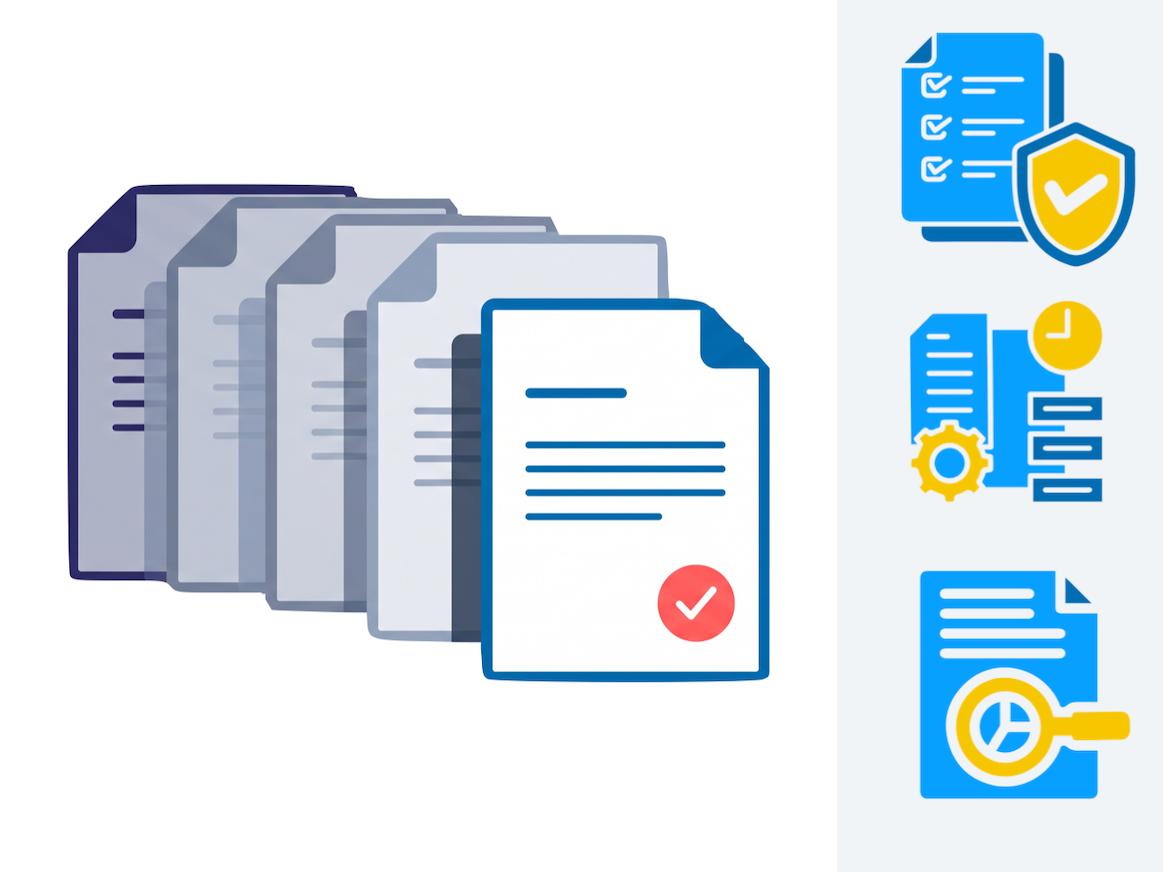
AODocs AI reads incoming invoices and delivery notes, matches them to purchase orders, and routes them for approval. Your teams review and decide, instead of transcribing.
Find the savings hidden in your supplier files

AODocs structures every supplier file the same way: contracts, conditions, certifications, history. Its AI analyzes and compares them, surfacing where terms diverge and where the next negotiation can gain.
Every renewal is a renegotiation window

Contract end dates trigger renewal workflows ahead of the deadline. No more contracts renewing themselves on last year's conditions.
Claim the penalties your contracts provide

AODocs tracks deliveries against the signed terms and flags late, short, or non-conforming ones with the evidence attached. You take advantage of every opportunity to claim penalties and compensation.
Automate the paperwork of compliance

AODocs captures every alert, classifies it, and drives it through the lifecycle automatically. Your team handles the decision, not the paperwork.


AODocs features for retail

How much does manual invoice and delivery-note processing really cost?

AODocs AI Process Automation reads your invoices, extracts header and line data, matches it to the purchase order record, and opens the approval workflow with the fields already filled. Humans review and decide.

  • AI extraction with human confirmation

  • Mismatches and missing POs surface immediately

  • Clean handoff to your ERP

How much does manual invoice and delivery-note processing really cost?

How do you get better terms from your suppliers?

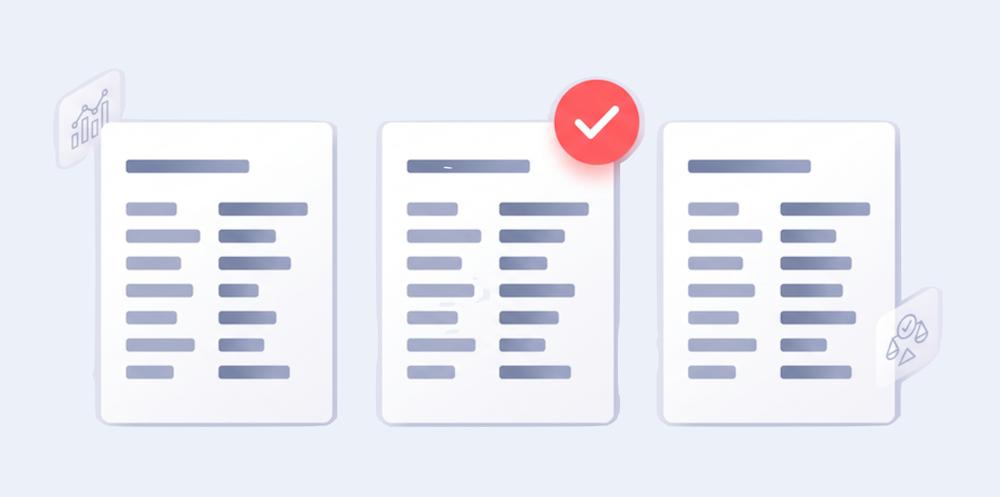
AODocs structures every supplier file the same governed way: contracts, conditions, certifications and history, in one format. Comparing three bids becomes reading three files side by side.

  • One governed structure per supplier: terms comparable at a glance

  • RFPs and framework agreements built from controlled templates

  • Full negotiation history attached to each supplier file

How do you get better terms from your suppliers?

How do you catch every contract renewal in time to renegotiate?

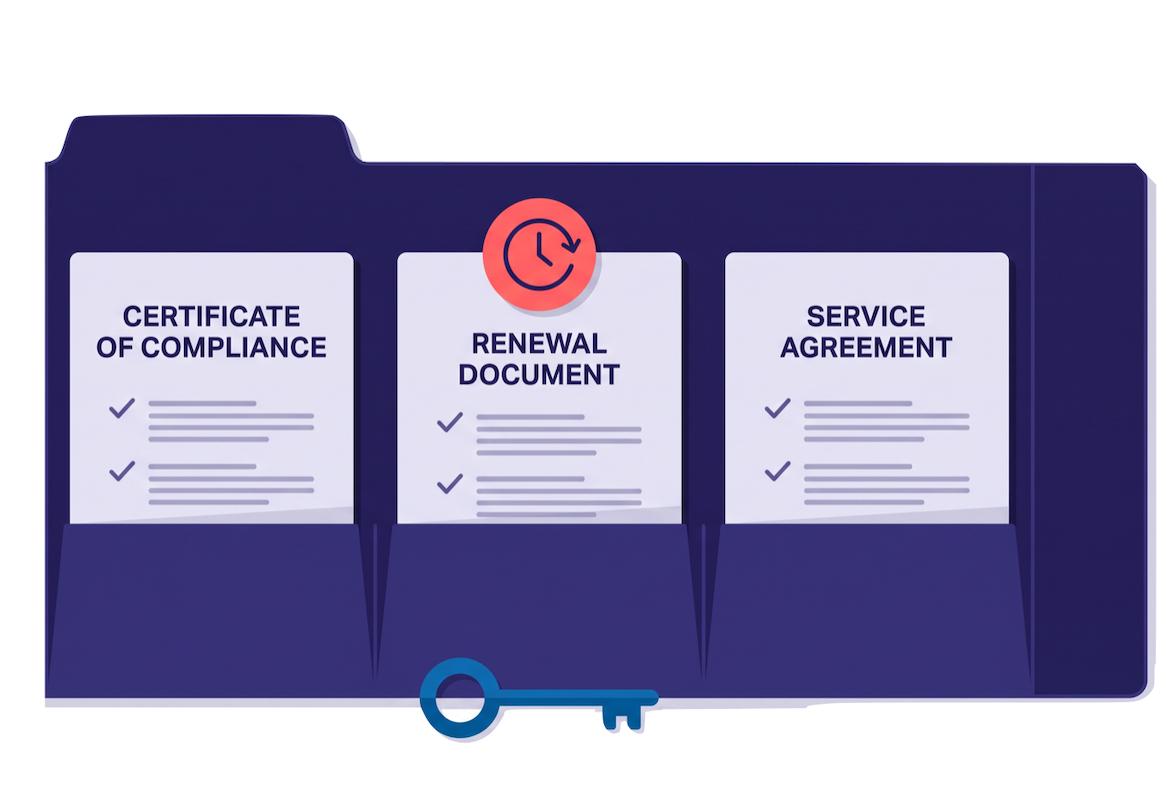
In AODocs, every contract carries its end date, and the date triggers a workflow ahead of the deadline. The renewal becomes what it should be: a scheduled opportunity, not a surprise.

  • Expiry tracking with configurable lead time per contract type

  • Renewal workflows with the terms in force attached

  • A calendar of upcoming windows your category managers can plan on

How do you catch every contract renewal in time to renegotiate?

How do you enforce the penalties your contracts already provide?

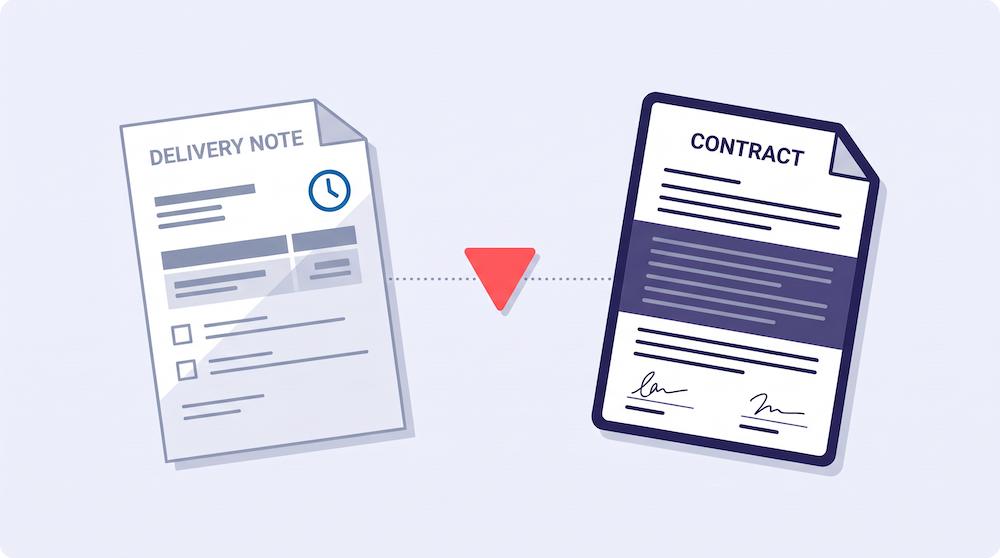
AODocs keeps delivery records against the signed terms of each supplier contract. Deviations are surfaced with the evidence attached: the delivery note, the contract clause, the dates.

  • Centralized intake: email integration, forms, portals...

  • AI classification and extraction, confirmed by a human reviewer

  • Full lifecycle audit trail: regulator-ready in minutes

How do you enforce the penalties your contracts already provide?

How do you keep compliance from becoming a cost center?

AODocs captures every alert into one library, classifies it with AI, and drives it through a formal lifecycle. Compliance becomes a byproduct of the process, and the audit becomes a lookup.

  • Centralized intake: email integration, forms, portals...

  • AI classification and extraction, confirmed by a human reviewer

  • Full lifecycle audit trail: regulator-ready in minutes, not days

How do you keep compliance from becoming a cost center?

In practice: GPSR compliance without the wasted time

How AI Document Processing Turns a Regulatory Burden into Operational Intelligence

Since December 2024, EU retailers must track product safety alerts and prove they acted on them. AODocs captures each alert (lab report, customer claim, supplier notice), classifies it, and drives it through registration, corrective action, and sign-off automatically. Your quality team spends its time on the defect. And when a regulator asks, the file is already assembled.

Read how it works

How AI Document Processing Turns a Regulatory Burden into Operational Intelligence

How do you onboard employees at retail turnover rates?

AODocs applies the discipline of the rest of this page to your teams

A governed file per employee from day one, onboarding checklists that enforce completeness, training attestations tracked to expiry. Apave, which recruits 2,000 people a year, reduced employee churn by four percentage points after moving recruitment and onboarding to AODocs.

How Apave accelerated onboarding and improved employee retention →
AODocs applies the discipline of the rest of this page to your teams

Frequently asked questions

How do retailers manage product non-conformities under GPSR?

Since December 2024, the EU General Product Safety Regulation requires retailers (not just manufacturers) to track defects, act on alerts and prove they did. In practice this means capturing every alert (lab reports, customer claims, supplier notices) into one system, classifying it, and driving it through a formal lifecycle: registration, corrective action, sign-off. The full trail must be producible when a regulator asks.

How should procurement teams verify AI-extracted proposal data?

Check extracted values against the original proposal before scoring an offer. Define the fields to compare, such as price, delivery dates and warranty terms, then have a reviewer resolve missing or conflicting values. Keep the source document with the evaluation so another reviewer can trace each comparison. Extraction prepares the evidence; it does not establish that a supplier meets the requirement.

What should happen when an invoice fails validation?

Route the invoice to an exception review instead of continuing the normal approval path. Assign an owner to investigate missing purchase order references, disputed amounts or supplier details, and record the resolution before resubmission. Configure this exception path alongside the approval rules so a failed check does not leave the invoice waiting in an unassigned inbox.

Why should CLM selection include post-signature work?

A contract process continues after signature with storage, obligations, key dates and renewals. Include those tasks when defining CLM requirements so the signed agreement reaches the repository and the responsible team receives the information it needs. Confirm which stages the selected solution covers and how any remaining tasks will be managed.

Browse all frequently asked questions

Ready to get started?

See what AODocs can do for your company, let's connect.