Blog
Implementing QMS for life sciences with validation as a service

Solution Consultant - Presales, AODocs · May 10, 2023 · Updated Oct 6, 2026
A quality management program depends on the people who carry out its processes. This article discusses AODocs for Life Sciences and its historically described Validation as a Service approach. Confirm the current offering, deliverables and responsibilities before relying on a validation service.
Software that offers quality management solutions for life sciences can be complex and difficult to implement for organizations that are trying to bring automation to their program for the first time. The manual processes these organizations have been relying on not only got the job done, but they were easy to understand, and the hands-on approach allowed them to see exactly what was going on.
But while it may work for you and your teams, effectively demonstrating these cumbersome legacy processes to regulators conducting an audit can be challenging. Also, what if your quality program expands to include more participants? Or what if additional regulations are tacked on? As program processes expand to incorporate more downstream and upstream requirements, the very nature of a manual process now becomes a burden, rather than an advantage. It’s like turning a cruise ship – it can be done, but it will take a lot of effort.
Assessing Cloud Hosting for a Life Sciences QMS
For distributed teams, a cloud-based quality management system (QMS) is one deployment option. Evaluate access, availability, data handling and assurance requirements for intended use. Cloud hosting does not by itself establish quality or regulatory compliance.
But as you grow your organization, your standard cloud-based QMS and former quality management processes may no longer suffice for complete quality assurance. With growth comes the need to expand WHO needs to participate in your quality program processes and contribute to the content. Managing onboarding and control of who has access to what, as well as the role of each participant in the content lifecycle, can become a barrier that prevents your coworkers, partners, and leadership from properly integrating your QMS program across the organization.
Assessing Validation as a Service
Validation as a Service is a supplier service model, not a requirement for every life sciences organization. Define intended software use and the evidence needed for that scope. FDA’s medical device software assurance guidance recommends risk-based activities and assessment of software changes; a subscription or update schedule does not establish compliance.
Supplier validation support can contribute evidence for the customer’s assessment. The organization still needs to determine which electronic records and signatures fall under 21 CFR Part 11 and assess its quality processes, including CAPA where applicable. The service does not make every configured process compliant.
Changes to cloud infrastructure can affect software assurance. When evaluating the AODocs platform, assess the impact of platform and configuration changes. The historical AODocs for Life Sciences offering described supplier validation support. Confirm current scope and determine whether the evidence covers actual libraries, applications and intended use.
Create, Grow, Exceed: Customized offerings to help you scale
The historical AODocs for Life Sciences offering described document control, change management, training, CAPA and audit management functions. Confirm current package and configuration scope with the supplier. Feature availability does not establish that customer processes meet their applicable requirements.
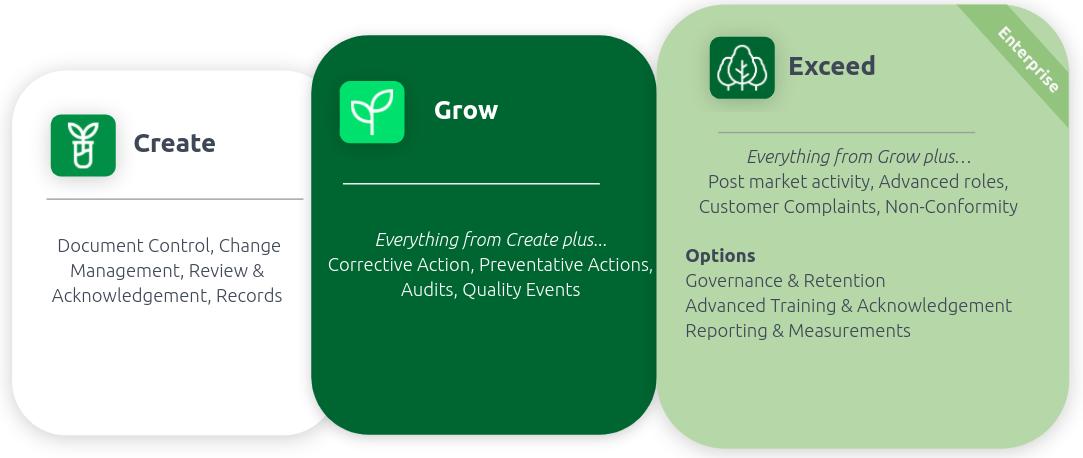
The infosheet below describes the offering associated with this article; confirm current scope with the supplier.
Speed to implementation, speed to change
Evaluate the configured QMS using employees’ document access, review and approval tasks. Test intended entry points and integrations in a pilot. Deployment time and adoption depend on process, configuration, training and assurance work; they are not guaranteed by the interface.
AODocs QMS Solution for Life Sciences
AODocs for Life Sciences was described as a quality management offering for medical device and pharmaceutical organizations. Confirm current availability and intended-use scope. Supplier services can support assurance activities, but the organization remains responsible for its quality program.
Frequently asked questions
What can supplier validation evidence contribute to a life sciences QMS?
Supplier validation evidence can contribute to an organization’s assessment of software fitness for intended use. Review which functions, configurations and risks the evidence covers before relying on it. FDA’s medical device software assurance guidance allows use of supplier activities but does not make a subscription proof that every customer workflow is validated.
Does validation as a service transfer all validation responsibility to the vendor?
Validation support does not transfer all responsibility for intended-use assurance to the vendor. The organization still needs to define the software’s use, evaluate risks and determine whether the evidence covers its configuration. For medical device production and QMS software, FDA recommends assurance activities appropriate to that use and risk.
How should a regulated QMS handle software updates?
A regulated QMS should assess how a software update affects its intended use, risks and existing assurance evidence. Determine which activities are needed for the changed functions and retain the resulting assessment. FDA’s medical device software assurance guidance treats changes within the software life cycle; an update schedule alone does not establish a validated state.