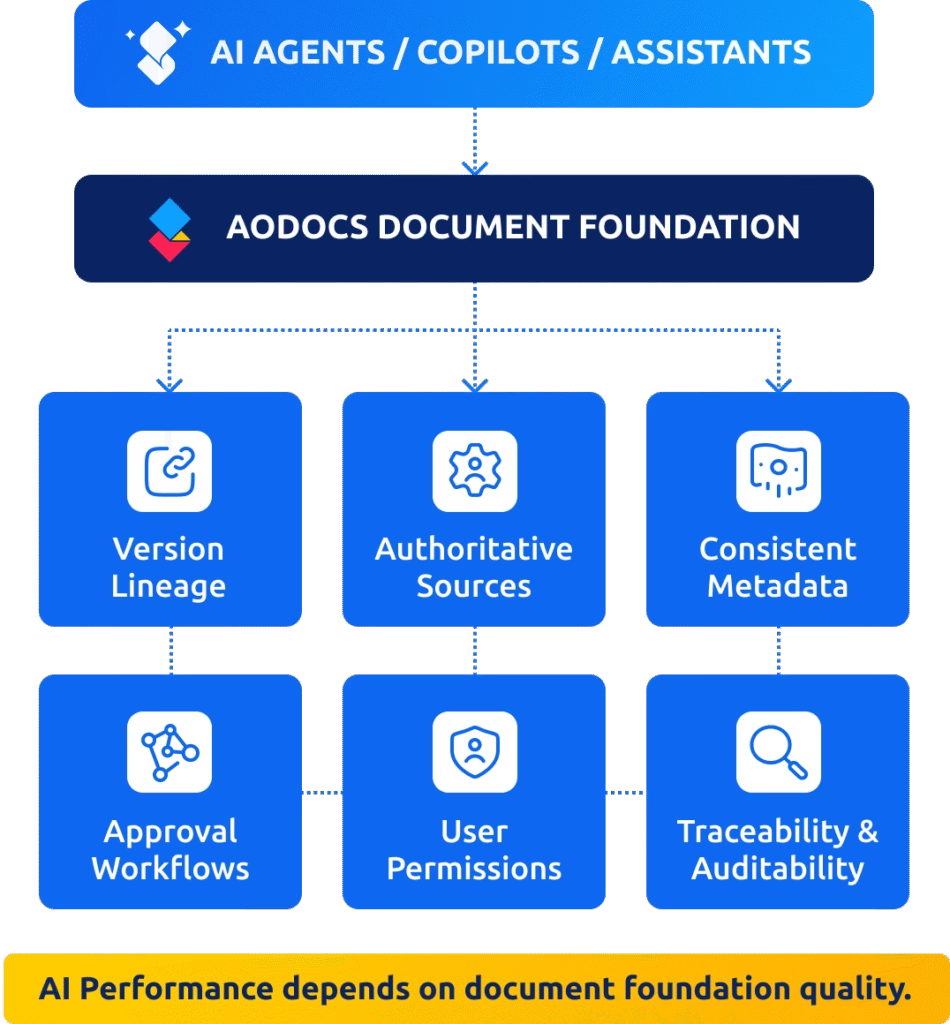





Modern AI is powerful, but only when it works on high-quality, well-governed information. To unlock AI’s full potential, you need a solid document foundation that removes ambiguity, reduces noise, and makes your content trustworthy, for both humans and AI agents.
AI projects often fail for reasons that have nothing to do with the model itself. They fail because of wrong assumptions about information quality.
“The more data you give your AI,
the better it will perform“
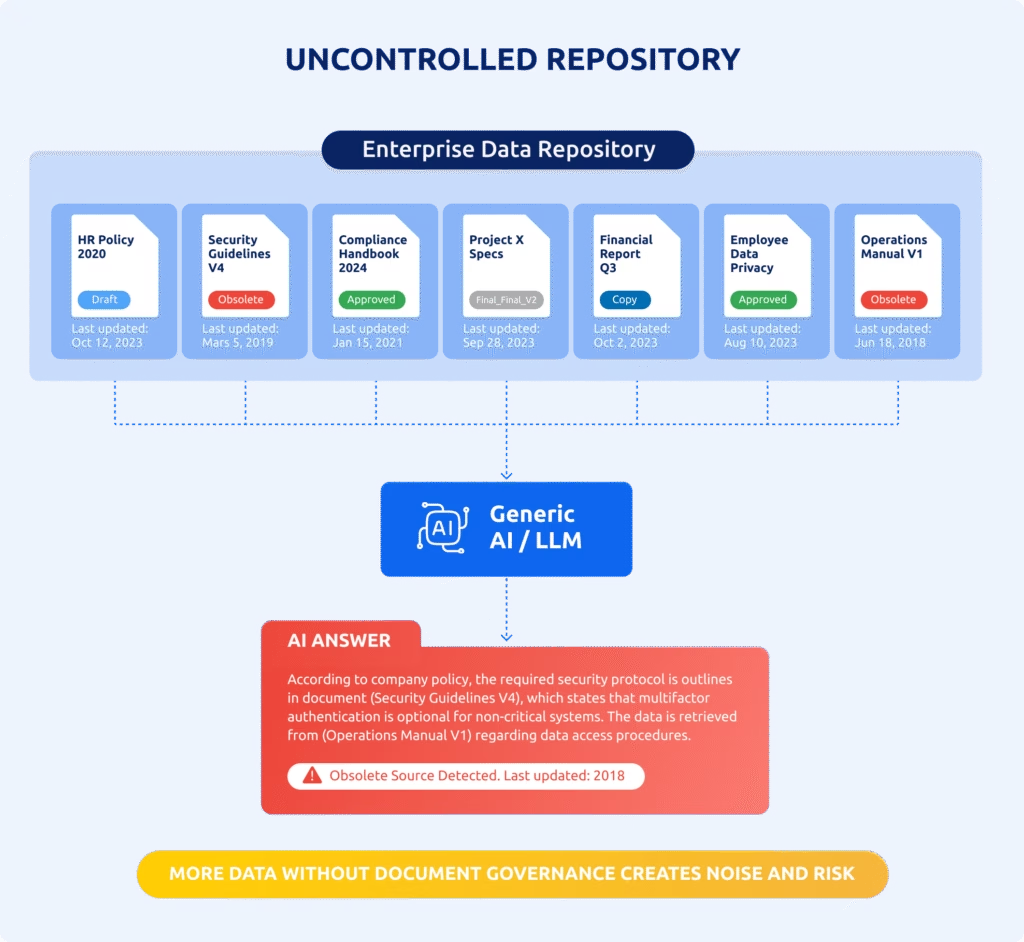
Giving your AI access to all enterprise data sources introduces noise, contradictions, obsolete versions, drafts, unapproved content and duplicate and conflicting documents.
The AI assumes everything you give it is legitimate, even when your repository is full of outdated or invalid documents.
Example: Give it a mix of draft policies and procedures, deprecated instructions, and the approved version, it will treat them all as equally correct.
“AI is smart enough to figure out
what’s correct”
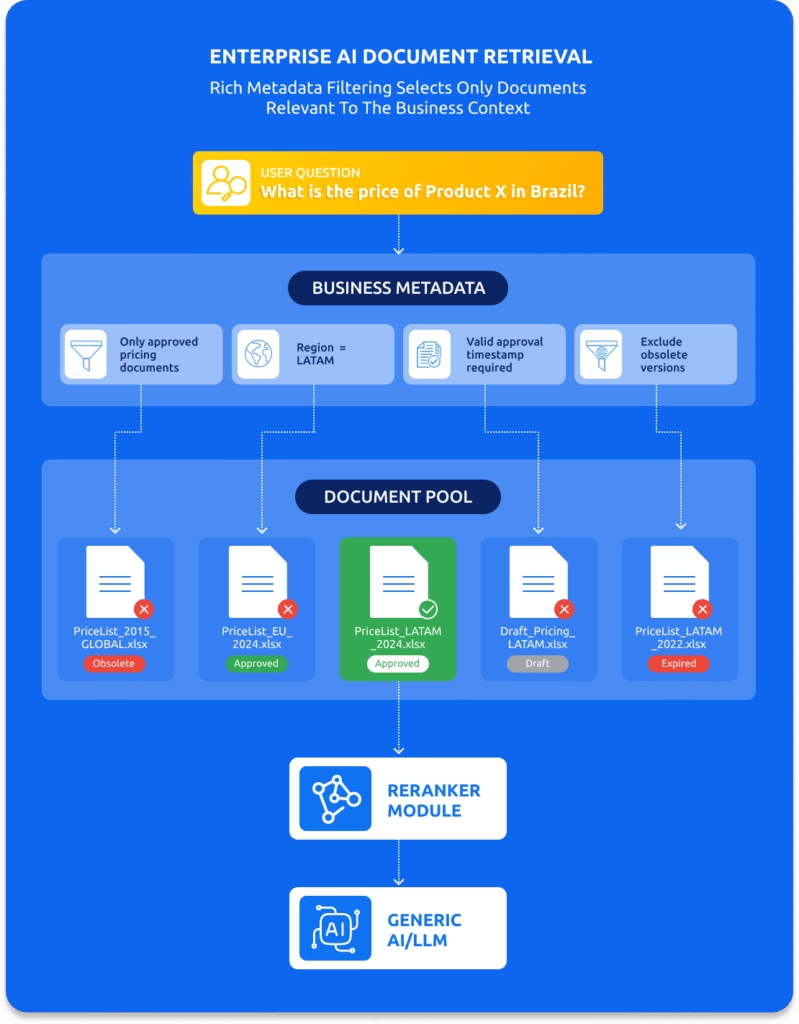
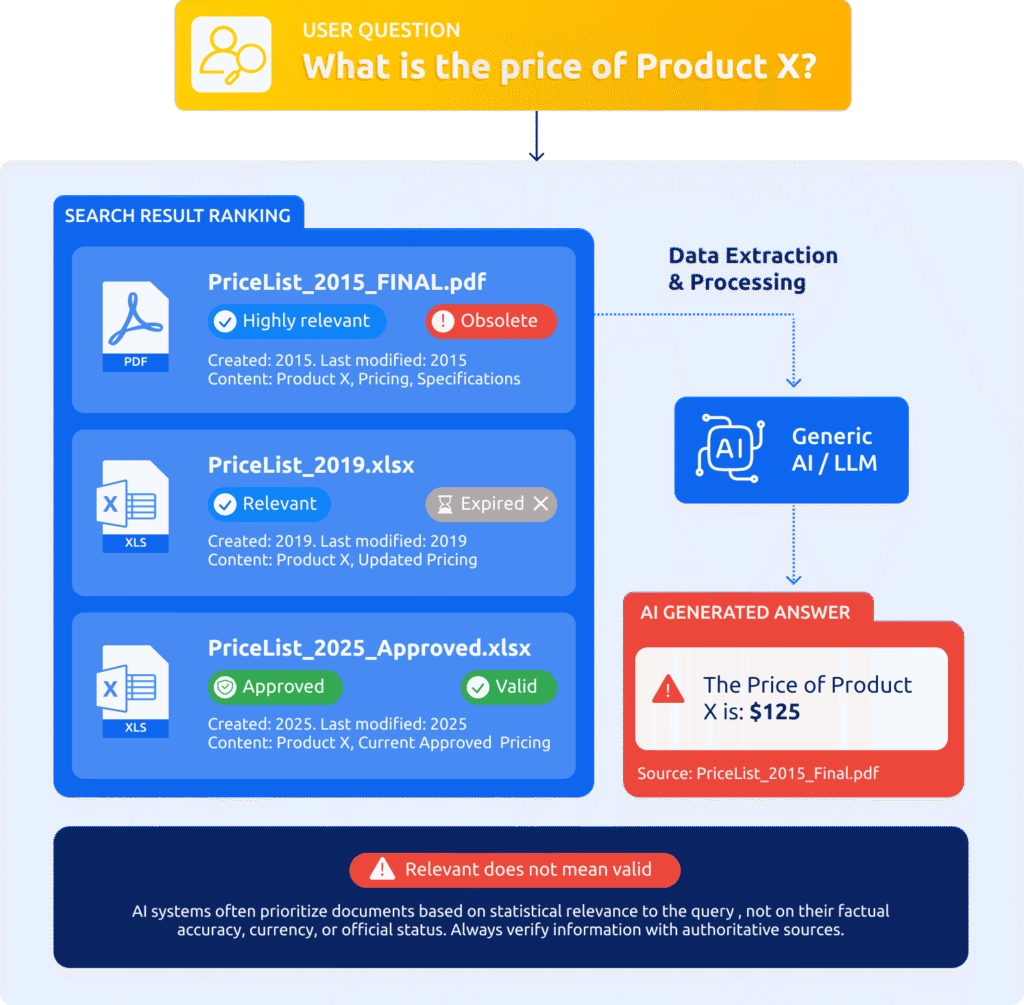
It isn’t. LLMs rank documents based on relevance to the question, not validity. Your 2015 price list, for example, is perfectly relevant to the question “What is the price of product X?”, and yet the relevant answer found in this document is completely wrong in 2025.
Without document governance, the AI will confidently generate answers that sound right, look legitimate, but are factually incorrect.
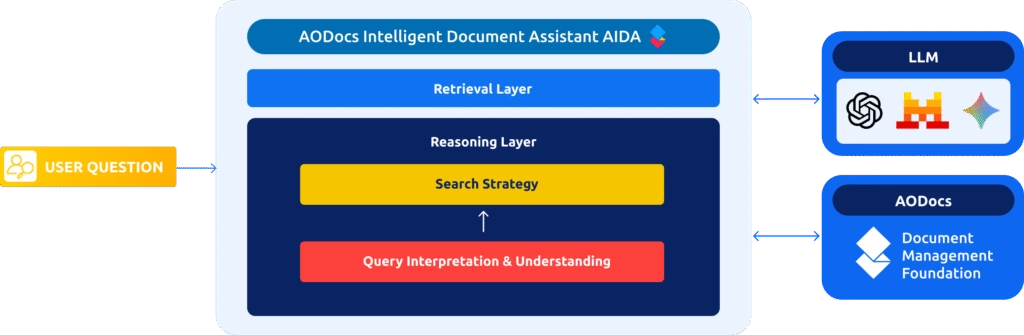
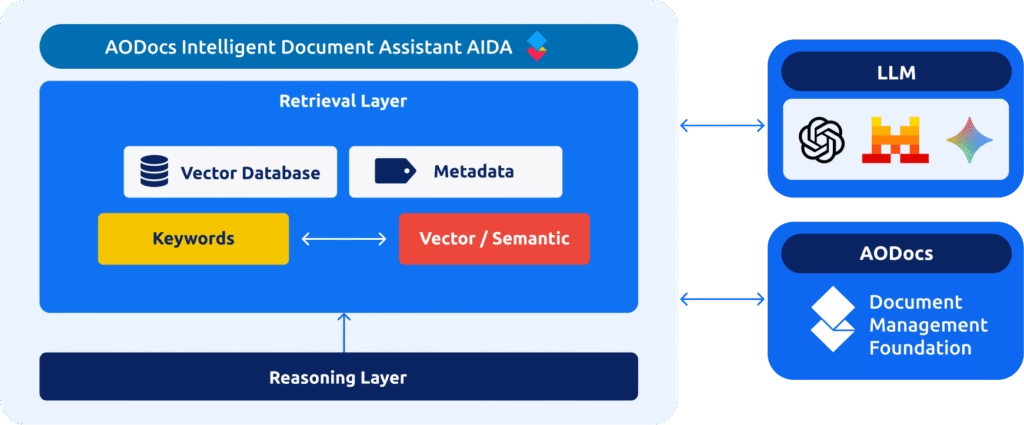
In the Reasoning Layer, AIDA analyzes the question to determine:
How to interpret the user’s intent in relation to the governed corpus
Whether to use vector search, keyword/ metadata search, or both in parallel to retrieve the most relevant document chunks
Which metadata and versioning information matters
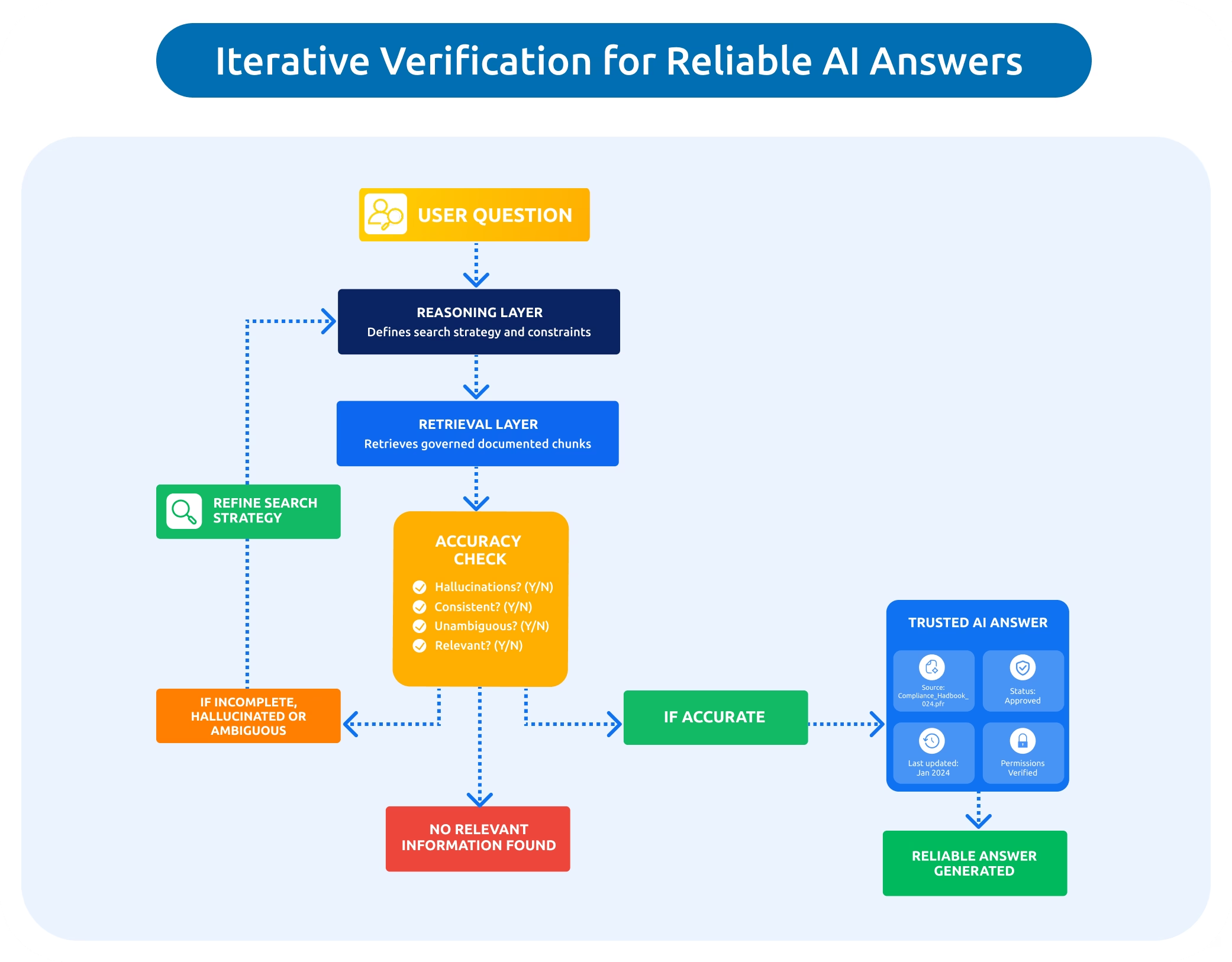
The Reasoning Layer defines a precise search strategy before any retrieval happens.
It applies the search strategy, considering metadata, version history, approval status, and user permissions, based on AODocs Document Management Foundation.
AIDA doesn’t just find documents: it finds the right ones, ensuring that only valid, trustworthy sources remain in the top results if they exist.
A Reranker Module then re-evaluates each retrieved chunk against the actual question, improving relevance beyond the initial search results. This brings to the fore the most suitable document chunks that align with the user’s purpose, ensuring that AIDA initiates its thought process with the most trustworthy and relevant data.
Once the document chunks are properly sorted, the Reasoning Layer evaluates whether the information is sufficient, consistent, unambiguous, and safe to use for an answer.
Such an iterative logic (“chain of thought”) repeats until AIDA concludes that:
It has enough high-quality information to answer reliably, or
The requested information does not exist in the document base
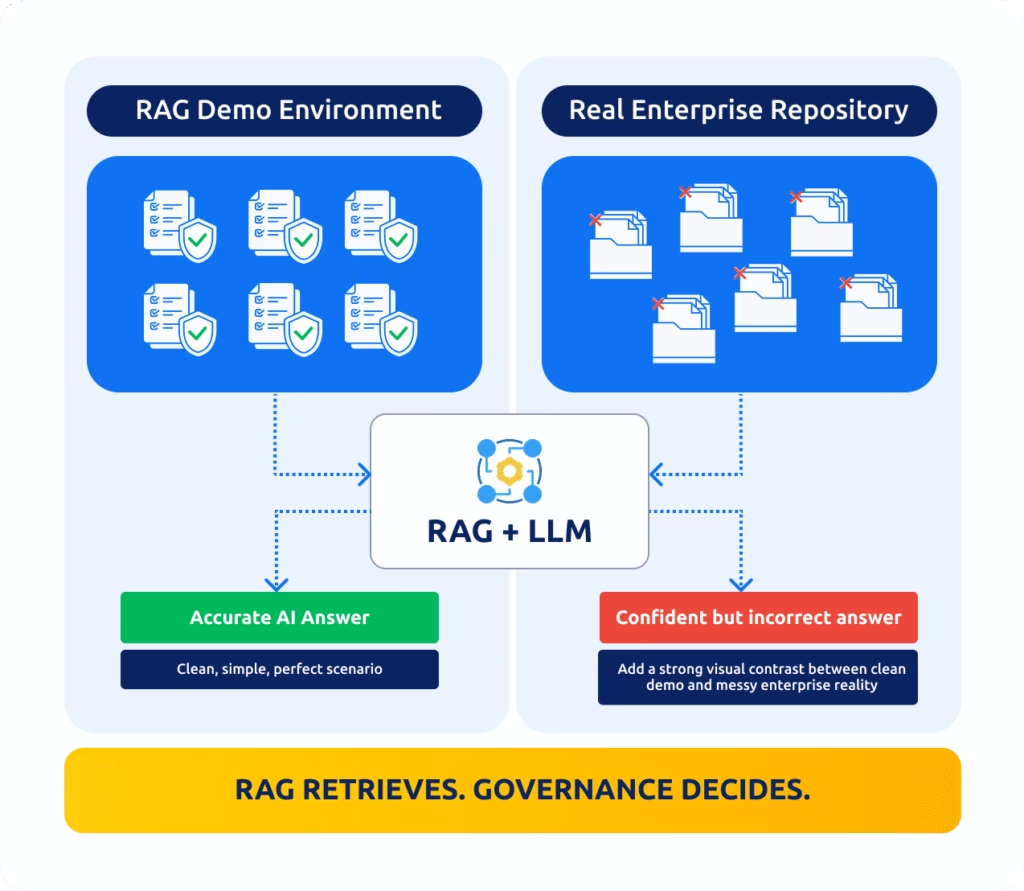
RAG demos look magical because they usually use a small number of documents, that are manually curated, all clean, consistent, and approved.
But real enterprise repositories are not like that. They often contain :
Messy, inconsistent, duplicated files
Conflicting versions
Missing metadata
Invalid drafts mixed with obsolete documents
Complex permission boundaries
A “good RAG” on top of an unmanaged repository will still produce bad answers with confidence. RAG does not fix information quality.
AODocs does.
RAG demos look magical because they usually use a small number of documents, that are manually curated, all clean, consistent, and approved.